
Hurricane Season Storage Guide: Protecting Your Home, Boat & RV in Central Florida
Hurricane Season Storage Guide: Protecting Your Home, Boat & RV in Central Florida
All Aboard Storage Team
July 2nd, 2026
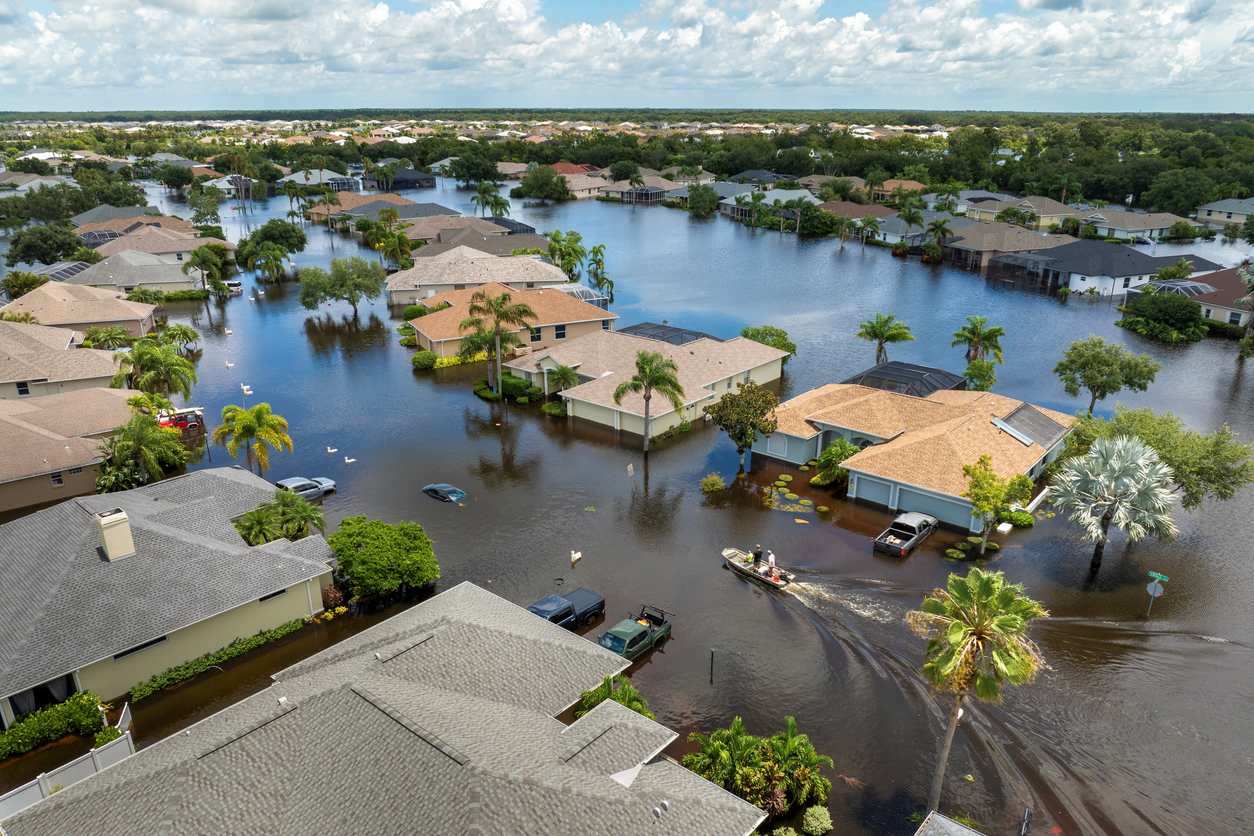
Quick Answer: Before a hurricane, move irreplaceable and moisture-sensitive items — photos, documents, electronics, heirloom furniture — into an interior climate-controlled storage unit, and get boats off lifts and RVs out of flood zones into gated storage. Do it when a storm is 5+ days out or earlier: by the time a watch is issued, supplies, time, and storage availability all run short. Florida hurricane season runs June 1 – November 30 and peaks mid-August through October.
Living in Central Florida means every summer comes with a season-long asterisk. After 40+ years of hurricane seasons in Volusia County, we've helped thousands of neighbors prepare — and we've learned the difference between the families who scramble when the cone appears and the ones who shrug: the second group prepared in July. This guide covers what to store, where, and when.
Is a Storage Unit Safe During a Hurricane?
Honest answer: safer than most homes for your belongings, but not a guarantee — and never a shelter for people or pets. Modern storage buildings are engineered to current Florida wind codes, and interior climate-controlled units add several walls between your belongings and the storm plus protection from the humidity spike that follows. What storage protects against best is the aftermath: a damaged roof, a flooded garage, weeks of muggy air in a house without power. Choose an interior unit on an upper floor if flooding is your main concern, and make sure your tenant insurance covers named storms.
What Should Go Into Storage Before a Storm?
- Irreplaceables: photo albums, heirlooms, artwork, collectibles — the things insurance can't bring back. These belong in climate control year-round, not just storm week.
- Documents: copies of deeds, titles, insurance policies, and medical records in a sealed container (originals of what you'll need immediately stay with you in a go-bag).
- Electronics and instruments: spare TVs, computers, guitars — humidity casualties the moment the power (and AC) goes out.
- Outdoor projectiles: patio furniture, grills, umbrellas, potted plants. If it can fly, store it or bring it in — this is also what your neighbors will thank you for.
- The garage overflow: moving stored boxes and seasonal items out of the garage now means your car fits inside when it matters.
Boats and RVs: Get Them Out of the Danger Zone Early
Vehicles are the most expensive hurricane casualties we see, and the most preventable. Three rules from our boat and RV storage pages apply double in season: never leave a boat on a lift or davits during a named storm; don't count on the marina having haul-out capacity the week of landfall; and know your evacuation zone before you need it (check yours at volusia.org or your county's emergency management site). A gated storage space inland — away from surge zones — costs $50–$150 a month and typically fills up fast once a system enters the Gulf or the Atlantic cone touches Florida. If you're considering it, reserve in early summer, not storm week.
Your Storm Timeline: What To Do When
Now (no storm on the map)
- Photograph every room and your vehicles for insurance documentation; store copies in the cloud.
- Move irreplaceables and off-season items into climate-controlled storage.
- Reserve boat/RV space if you'll want it — availability, not price, is the constraint in season.
- Build the go-bag: documents, medications, chargers, cash, water.
Storm 5–7 days out
- Move outdoor items and garage overflow into your unit; top off vehicle fuel.
- Haul the boat to storage; secure the RV inland.
- Refill prescriptions, water, batteries — before the rush.
Watch issued (48 hours)
- Final storage run — then stay off the roads. Shutter up, charge everything, follow evacuation orders if zoned.
After the storm
- Document damage before cleanup. If your home is damaged, a storage unit keeps salvageable belongings safe and dry during repairs — this is the most common reason neighbors call us in September.
Why Locals Use Storage as Hurricane Insurance
A climate-controlled 5x10 runs about $55–$95 a month in our area (full pricing in our storage cost guide). Compare that to replacing a lifetime of photos or a garage full of tools after one bad afternoon. Many Volusia County families keep a small unit year-round as their “hurricane closet” — irreplaceables live there June through November, holiday décor the rest of the year. And with our Rate Lock Guarantee — up to 12 months depending on the unit — the rate you start the season with is the rate you finish it with. Storm-proof your stuff this week: find your nearest All Aboard Storage depot across Volusia County, Palm Coast, St. Augustine, Sanford, and Clermont, and reserve online in minutes.
Frequently Asked Questions
Should I put my things in storage during hurricane season?
If you have irreplaceable or moisture-sensitive items in a flood-prone home or a garage, yes — an interior climate-controlled unit is meaningfully safer and protects against post-storm humidity when power fails.
Where should I store my boat during a hurricane?
Inland, on its trailer, in gated storage away from surge zones — never on a lift or davits. Arrange the space before a storm is named; lots fill within days of a threat appearing.
When does hurricane season peak in Florida?
The season runs June 1 to November 30, with the peak from mid-August through October. Prepare in early summer, before the busy stretch.
Are storage units insured against hurricanes?
The facility's insurance covers the building, not your contents. Tenant insurance is required at All Aboard Storage — verify your policy covers wind and flood for named storms.