
Boat & RV Storage in Central Florida: The Complete Guide
Boat & RV Storage in Central Florida: The Complete Guide
All Aboard Storage Team
July 2nd, 2026
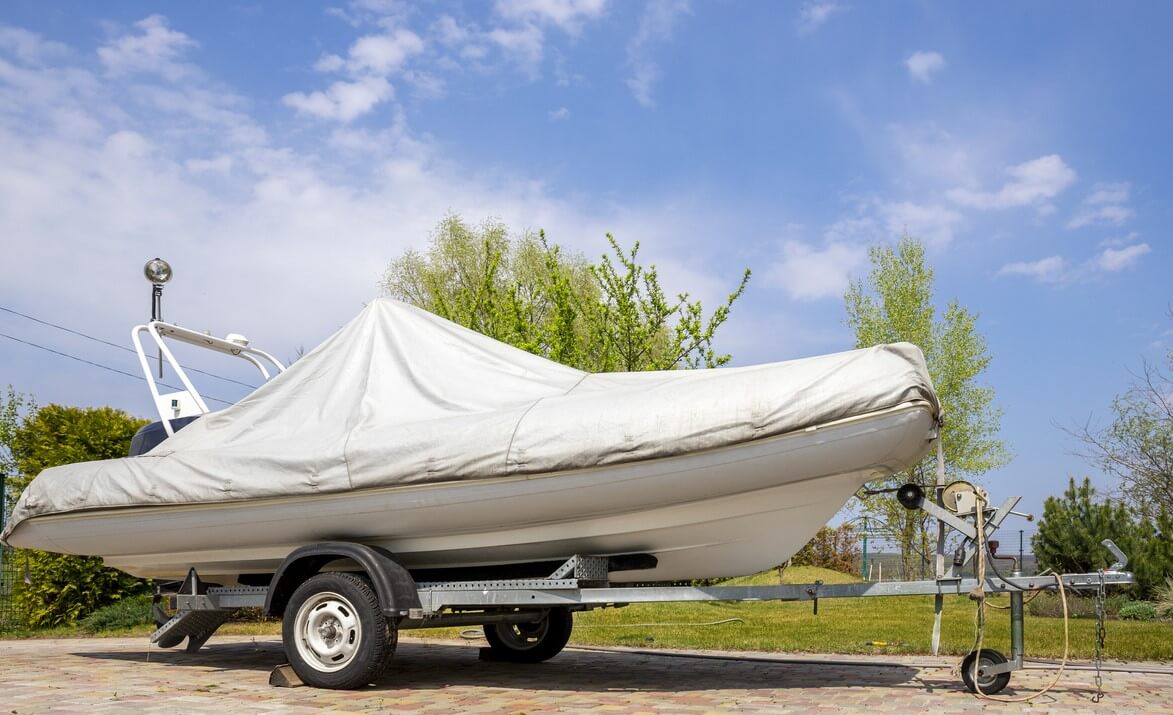
Quick Answer: Boat and RV storage near Daytona Beach costs $50–$150/month for open gated parking, about 30–60% more for covered spaces. Snowbirds should reserve by early October — spaces typically sell out by mid-November. Covered parking pays for itself on rigs worth $25,000+ because Florida UV damages roofs, gelcoat, and tires faster than rain.
Between the Intracoastal, the St. Johns River, and some of the best beaches in Florida, Volusia County might be the single best place in America to own a boat or RV — and one of the trickiest places to park one. HOAs restrict driveway storage, salt air punishes anything left outside, and every October a wave of snowbirds arrives looking for a spot. Here's your complete local guide to storing a boat, RV, or trailer the right way.
Your Three Options (and What They Cost)
1. Open parking — $50–$150/month
A designated space on a gated, paved lot. This is the most popular option for trailered boats, travel trailers, and Class A/C motorhomes. You're paying for security and legality (no HOA letters), not weather protection — so budget for a quality cover.
2. Covered parking — roughly 30–60% more than open
A canopy roof over your space. In Florida, the sun does more cumulative damage than rain: UV chalks gelcoat, cracks RV roofs, and rots tires. If your boat or rig is worth more than $25,000, covered parking usually pays for itself in avoided detailing and roof work.
3. Enclosed units — for smaller boats, jet skis and motorcycles
A 10x20 or larger drive-up unit gives full protection plus room for gear. Great for jet skis, jon boats, and motorcycles; most full-size RVs and center consoles won't fit, which is why dedicated parking exists. Tip: compare against marina dry stack (usually 2–4x the price) and “a friend's back lot” (free until something walks off). Gated storage with cameras and keypad access is the middle path most owners land on.
What Salt Air and Sun Do While You're Not Looking
Storing within a few miles of the coast — which describes most of Volusia County — means salt-laden humidity working on every metal surface. Before the boat or RV goes into storage for more than a few weeks:
- Wash and wax (or apply UV protectant) — including the underside of a boat trailer, where salt spray concentrates.
- Fill the fuel tank and add stabilizer; run it through the engine for a few minutes.
- Disconnect batteries, or connect a maintainer if power is available.
- For boats: drain and flush raw-water systems; leave compartments cracked open with moisture absorbers.
- For RVs: defrost and prop open the fridge, cover tires, close propane valves, and treat roof seams with UV protectant.
- Cover it — a fitted, breathable cover, not a hardware-store tarp that traps condensation.
Hurricane Season Changes the Math
From June through November, where you store is also a question of what happens when a storm spins up. A few local rules of thumb: know your evacuation-zone status before you need it; never leave a boat on davits or a lift during a named storm; and if a watch is issued, storage lots fill fast — the time to arrange a space is May, not the day the cone appears. Our hurricane prep guide covers the full checklist for protecting your property when a storm approaches.
Snowbirds: Reserve Before October
Every fall, thousands of winter residents arrive in the Daytona Beach area towing an extra vehicle, a boat, or driving the RV they'll fly home without. Vehicle spaces are the first thing to sell out — typically by mid-November. If you're a seasonal resident, reserve your space in early fall, and ask about our Rate Lock Guarantee: rates lock for up to 12 months depending on the unit — more than a full snowbird season — so the rate you get in October is the rate you'll pay in April.
What To Look For in a Boat/RV Storage Facility
- Gated access with cameras and individual keypad entry — ask how access is logged.
- Wide, paved drive aisles — backing a 35-foot rig into a space on gravel gets old fast.
- Proximity to ramps and highways. Storage five minutes from your boat ramp beats a cheaper lot forty minutes inland — you'll actually use the boat more.
- Flexible month-to-month terms with a written rate guarantee.
- On-site management that knows your name — it matters when you call about a flat tire on your trailer.
Where We Can Help
All Aboard Storage offers boat, RV, and vehicle storage options at depots across Volusia County and beyond — from Daytona Beach and Port Orange to Ormond Beach, New Smyrna Beach, and inland toward Sanford and Clermont. Check the RV Storage and Boat Storage pages for the depots nearest your ramp, route, or winter home, with live availability and pricing. Bottom line: a gated space costs a fraction of what UV damage, HOA fines, or one bad storm will — and your driveway goes back to being a driveway. Reserve your space online in minutes.
Frequently Asked Questions
How much does RV storage cost in Daytona Beach?
Open parking typically runs $50–$150 per month depending on space size and location; covered spaces run roughly 30–60% more. Enclosed units for smaller vehicles start around $120–$200.
Can I store a boat on a trailer at a storage facility?
Yes — trailered boats are the most common vehicle stored. You'll need current registration, and insurance is typically required. Choose a space long enough for the trailer tongue.
When should snowbirds reserve winter vehicle storage?
By early October. Vehicle and RV spaces in the Daytona Beach area typically sell out by mid-November as seasonal residents arrive.
Is covered RV storage worth it in Florida?
Usually, for rigs worth $25,000+. Florida UV degrades roofs, paint, and tires faster than rain does; a canopy dramatically slows that damage.